



Key Takeaways: Protecting Your Pipes This Winter
- When temperatures drop below 20°F in Fountain, CO, pipes in unheated or poorly insulated areas become vulnerable to freezing and potential bursting.
- Preventative measures like insulating exposed pipes, maintaining a consistent indoor temperature, and allowing faucets to drip can save thousands in emergency repairs.
- Talmich Plumbing & Heating provides 24/7 emergency frozen pipe repair services with specialized equipment designed for Colorado’s unique winter conditions.
- Fountain’s elevation and temperature fluctuations create a particularly challenging freeze-thaw cycle that increases pipe damage risk compared to other regions.
- Creating a winter emergency plan that includes knowing your main water shut-off valve location can significantly minimize damage if pipes do freeze.
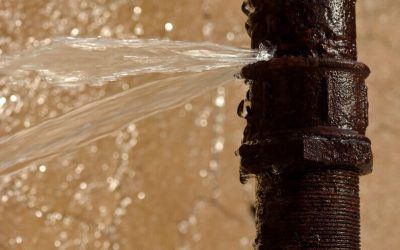
The sound of water trickling from a burst pipe at 2 AM can strike fear into any Fountain homeowner’s heart. With Colorado’s notoriously unpredictable winter weather, frozen pipes aren’t just an inconvenience, they’re a genuine emergency that can cause thousands in damage within minutes.
Fountain’s unique climate presents special challenges for your plumbing system. Sitting at over 5,500 feet elevation with temperatures that can plummet suddenly overnight, your home’s pipes face extreme conditions that require specific protection strategies. Talmich Plumbing & Heating has been helping Fountain and Colorado Springs area residents prevent and address frozen pipe emergencies with specialized techniques developed specifically for our local conditions.
Local Plumbing Services in Fountain
When pipes freeze in Fountain, you need help fast from professionals who understand our area’s unique plumbing challenges. Local expertise matters, from knowing which neighborhoods have vulnerable water main configurations to understanding how our elevation affects freezing points and thawing techniques. Not all plumbing emergencies are created equal, and Colorado’s freeze-thaw cycles demand specialized knowledge.
24/7 Emergency Repairs from Talmich Plumbing & Heating
Winter pipe emergencies don’t wait for business hours. That’s why Talmich Plumbing & Heating maintains round-the-clock emergency response teams specifically trained in frozen pipe scenarios. Our technicians arrive equipped with specialized thawing equipment designed to safely restore flow without causing additional damage. We prioritize rapid response because we know that every minute matters when water is involved, and the difference between a simple thaw and extensive water damage can be just 30 minutes.
Our emergency teams follow a systematic approach: first assessing the extent of freezing, safely thawing affected sections, checking for leaks or damage, and finally implementing preventative measures to protect against refreezing. This comprehensive process ensures we’re not just fixing today’s problem but preventing tomorrow’s emergency.
Preventative Maintenance Services
The smartest way to handle frozen pipes is to prevent them altogether. Talmich’s preventative maintenance programs are tailored to Fountain’s specific climate challenges, focusing on vulnerable areas frequently overlooked by homeowners. Our comprehensive winter plumbing assessments identify high-risk zones in your home before the first freeze hits.
Services include pipe insulation installation, heat tape application for exposed pipes, sealing of foundation cracks and penetration points, and adjustment of indoor heating zones to maintain adequate temperatures in problem areas. We also provide customized recommendations for homes with specific vulnerabilities like north-facing plumbing walls, crawlspaces, or older plumbing systems particularly common in certain Fountain neighborhoods.
Specialized Equipment for Colorado Winters
Colorado’s harsh winter conditions require specialized equipment beyond what’s found in the typical plumber’s toolkit. Talmich Plumbing & Heating invests in advanced technology specifically designed for high-altitude, extreme temperature plumbing emergencies. Our trucks carry professional-grade pipe thawing equipment that can safely restore flow to frozen pipes without risking damage to your plumbing system.
This specialized equipment includes infrared thermal imaging cameras to pinpoint exact freezing locations without invasive measures, specialized heat tracing systems for pipes in vulnerable locations, and high-efficiency portable heating systems that can safely thaw pipes in confined spaces. We also utilize specialized pressure testing equipment to verify pipe integrity after thawing, catching potential leaks before they become floods.
- Infrared thermal imaging for non-invasive freeze detection
- Electric pipe thawing equipment with temperature monitoring
- Professional-grade pipe insulation materials rated for Colorado temperatures
- Specialized heat tape installation tools and supplies
- Emergency pipe patching and repair systems for immediate leak control
Many homeowners attempt DIY fixes for frozen pipes, often causing more harm than good. Hair dryers, space heaters, and other improvised thawing methods can create fire hazards or damage pipes through uneven heating. Our professional equipment applies controlled heat evenly, protecting your plumbing system while efficiently resolving the immediate problem. For more information, visit our plumbing services in Fountain, CO.
Frozen Pipe Emergency in Fountain, CO
When temperatures plummet in Fountain, pipe emergencies can develop with alarming speed. Understanding what constitutes a true plumbing emergency helps you respond appropriately and minimize damage to your home. Any situation involving actively leaking water requires immediate attention. This is especially true if the water threatens electrical systems or structural elements.
Why Your Pipes Are at Risk This Winter
Fountain’s geographical position creates a perfect storm for pipe freezing incidents. Our elevation amplifies the effects of cold fronts, often resulting in more rapid temperature drops than surrounding areas. Additionally, our region experiences significant day-to-night temperature fluctuations during winter months, creating stressful expansion and contraction cycles for plumbing systems.
Many homes in Fountain were built during construction booms when quick installation sometimes took priority over freeze protection. Common issues include inadequately insulated exterior walls, pipes running through unheated crawlspaces, and plumbing installed in vulnerable locations like north-facing exterior walls. Even newer homes can have vulnerable points where pipes pass through foundation walls or connect to outdoor fixtures.
Fountain’s Freeze Risk Factors
Elevation: 5,500+ feet (faster temperature drops)
Average January Low: 17°F (well below freezing threshold)
Annual Freeze-Thaw Cycles: 140+ (stresses pipe joints)
Average Snowfall: 37 inches (insulates ground pipes differently)
Wind Chill Factor: Significant (accelerates freezing in exposed areas)
Most homeowners don’t realize that pipes begin to freeze long before they actually burst. Water expands approximately 9% when freezing, creating immense pressure within confined pipes. This pressure builds silently until reaching the breaking point, which is typically between 3,000 and 5,000 PSI. At these pressures, even copper and PEX piping can rupture, though the breaking point varies by material, pipe age, and previous stress exposure.
The Real Cost of Pipe Damage in Colorado
The financial impact of frozen pipe damage extends far beyond the immediate plumbing repair. When pipes burst in Fountain homes, the average insurance claim exceeds $10,000, with many claims reaching $25,000 or more depending on the location of the break and how long water flows before detection. These costs include emergency water extraction, structural drying, mold remediation, flooring replacement, drywall repairs, and electrical system inspection.
Most insurance policies cover sudden and accidental water damage from burst pipes, but many have specific exclusions or limitations for preventable freezing incidents. Some carriers now require proof that reasonable precautions were taken to maintain heat or shut off and drain water systems in vacant properties. Additionally, while the initial damage might be covered, the cost to repair the actual broken pipe often falls to the homeowner as a maintenance issue rather than a covered loss.
Frozen Pipe Warning Signs – Fountain, CO
Talmich Plumbing Heating | Fountain, CO Winter Emergency Guide
Warning Signs of Freezing Pipes
Recognizing the early warning signs of freezing pipes can be the difference between a minor inconvenience and a major disaster. The most common indicator is reduced water flow from faucets, particularly those serviced by pipes in exterior walls or unheated spaces. Strange sounds like popping, cracking or banging from your plumbing system during cold weather can indicate ice formation within pipes, creating pressure that stresses the material.
Unusual smells emanating from drains or faucets often signal that trap water has frozen, allowing sewer gases to enter your home. Frost visible on exposed pipe sections, particularly in basements, crawlspaces, or garages indicates freezing conditions have reached critical areas of your plumbing. If you notice water meter activity when all fixtures are off during extreme cold, this could indicate a pipe has already burst somewhere in your system.
Understanding Frozen Pipe Risks
The physics behind pipe freezing is straightforward but often misunderstood. Water expands by approximately 9% when transitioning from liquid to solid, creating tremendous internal pressure within the confined space of your plumbing. This pressure builds until the pipe material fails, typically at the weakest point, often at joints, previous repairs, or areas with minor corrosion. Understanding these mechanisms helps explain why preventive measures work and why quick response to warning signs is essential.
Fountain’s Unique Freeze-Thaw Cycle
Fountain’s elevation and geographical position create a particularly challenging freeze-thaw pattern that puts additional stress on plumbing systems. Unlike more consistent cold-weather regions, our temperature fluctuations can repeatedly stress pipes through expansion and contraction cycles. Daytime temperatures might rise well above freezing while nights plummet below zero, creating a “thermal shock” effect that weakens pipe materials over time.
This cycle is particularly pronounced during our late fall and early spring weather patterns when dramatic 24-hour temperature swings are common. Many Fountain homeowners experience pipe failures during unexpected early or late-season cold snaps when they haven’t yet implemented winterization measures or have already removed them for the season.
Most Vulnerable Pipes in Your Home
Not all plumbing in your Fountain home faces equal freezing risk. Pipes in unheated areas like basements, crawlspaces, attics, and garages face the highest exposure. Plumbing running through exterior walls, especially on north-facing sides of your home, receives less passive heating and more exposure to wind chill. Water supply lines in unconditioned spaces like mudrooms, laundry areas adjacent to garages, or enclosed porches frequently freeze even when main living areas remain comfortably warm. For more information on how to protect your pipes, visit Talmich Plumbing and Heating.
Outdoor plumbing fixtures present special vulnerability in Fountain’s climate. Hose bibs, sprinkler systems, pool supply lines, and detached garage or workshop plumbing often lack adequate insulation and heat. Even pipes buried underground can freeze during extended cold periods if they’re above the frost line, which varies from 30-36 inches in the Fountain area depending on specific soil conditions and exposure.
How Quickly Damage Can Occur
The timeline from frozen pipe to catastrophic failure is shorter than most homeowners realize. In temperatures below 20°F, exposed pipes can begin freezing within 3-6 hours, with the freezing process accelerating dramatically as temperatures drop further. Once ice begins forming within a pipe, complete blockage can develop within 4-5 hours, with pressure building rapidly after blockage.
Pipe bursting typically occurs 6-8 hours after complete freezing, though this varies based on pipe material, diameter, and location. What makes these incidents particularly devastating is that the actual pipe rupture often remains undetected until thawing begins, sometimes days later. When temperatures rise and ice melts, water flow resumes through the broken section, potentially releasing hundreds of gallons per hour into your home while you’re away or asleep.
Frozen Pipe Repair Costs – Fountain, CO (75% Complete Homes)
Talmich Plumbing Heating | Fountain, CO Winter Emergency Pricing
Prevention Strategies That Work
While Fountain’s climate presents serious pipe freezing challenges, proven prevention strategies can dramatically reduce your risk. The most effective approach combines multiple protective measures, creating layers of defense against even the most severe cold snaps. Implementing these strategies costs significantly less than addressing a single pipe burst emergency and provides peace of mind throughout the winter season.
Insulating Exposed Pipes
Pipe insulation represents the first line of defense against freezing in vulnerable areas. Foam pipe sleeves, available at local hardware stores, provide excellent protection when properly installed with all seams sealed. For maximum protection in Fountain’s climate, choose insulation with an R-value of 3 or higher, which provides adequate thermal resistance during typical cold snaps.
In particularly vulnerable areas like crawlspaces or north-facing exterior walls, consider supplementing basic foam insulation with heat tape or heating cables. These self-regulating products activate automatically when temperatures approach freezing, providing gentle warming that prevents ice formation. When installing heat tape, follow manufacturer specifications precisely as improper installation can create fire hazards or damage plumbing materials.
Maintaining Proper Indoor Temperature
Consistent interior heating provides crucial protection for embedded plumbing within your home’s structure. During extreme cold periods, maintain a minimum temperature of 55°F throughout your home, even in rarely used rooms or when traveling. This baseline temperature prevents interior walls from reaching freezing temperatures while minimizing energy costs.
For enhanced protection, open interior doors to allow heated air circulation to reach plumbing in cabinets and interior walls. Consider using a programmable or smart thermostat that maintains minimum temperatures automatically and alerts you to dangerous temperature drops. Some Fountain homeowners install separate temperature sensors in vulnerable areas like basements or crawlspaces, providing early warning of approaching freeze conditions in these critical zones.
Winter-Proofing Your Outdoor Plumbing
Outdoor plumbing components require special attention in Fountain’s winter climate. With temperatures frequently dropping below freezing for extended periods, unprotected outdoor fixtures become particularly vulnerable to catastrophic damage. Taking proper winterization steps before the first freeze can save thousands in repairs and prevent the inconvenience of mid-winter outdoor plumbing failures.
Protecting Outdoor Hydrants
Outdoor hydrants and hose bibs are among the most vulnerable plumbing fixtures during Fountain’s winter months. These exposed water sources can freeze quickly, not only damaging the fixture itself but potentially causing ice to form deep within connecting supply lines. For standard outdoor faucets, install insulated covers before the first freeze – these inexpensive foam shields provide crucial protection against direct exposure to wind and freezing temperatures.
For maximum protection, shut off water to outdoor faucets using interior shut-off valves (typically located in basements or crawlspaces), then open the exterior faucet to drain remaining water. Leave the outside valve in the open position throughout winter to prevent pressure buildup if any residual water freezes. For frost-free hydrants, ensure they drain properly after each use and repair any leaking fixtures before winter arrives, as even minor leaks can lead to major ice formation.
Sprinkler System Winterization
Irrigation systems require thorough winterization in Fountain’s climate to prevent extensive damage. The process involves completely removing water from all components including pipes, valves, sprinkler heads, and backflow preventers. While some homeowners attempt DIY winterization, professional service ensures complete water removal using specialized compressed air equipment that reaches areas gravity draining cannot.
Talmich Plumbing & Heating offers comprehensive irrigation winterization that includes proper blow-out of all zones, insulation of above-ground components, and verification that backflow preventers and main valves are properly protected. Timing matters significantly – we recommend scheduling irrigation winterization by mid-October in Fountain to ensure complete protection before unexpected early freezes arrive.
Fountain-Specific Concerns for Outdoor Plumbing
Fountain’s elevation and exposure to powerful winter winds create unique challenges for outdoor plumbing protection. The rapid temperature fluctuations common in our region can create freeze-thaw cycles that are particularly damaging to plumbing components. Wind chill factors significantly accelerate freezing in exposed plumbing, sometimes causing pipes to freeze even when ambient temperatures remain above 32°F. For homes on Fountain’s higher elevations or in wind-exposed locations, additional insulation measures and heat tracing may be necessary even for components that might be adequate in other Colorado communities.
Act Now to Protect Your Home
Don’t wait until temperatures plummet to address your home’s freeze vulnerability. Taking preventative action now can save you thousands in emergency repairs and protect your property from devastating water damage.
Talmich Plumbing & Heating provides comprehensive winter plumbing assessments to identify and address risk factors specific to your home. Our expert technicians can quickly implement proven protection strategies tailored to Fountain’s unique climate challenges, giving you confidence throughout the winter season. Get in touch with us today, we have you covered around Colorado Springs.
Frequently Asked Questions (FAQs)
Homeowners in Fountain often have specific questions about protecting their plumbing systems during our challenging winters. Here are expert answers to the most common concerns we address in our community.
How cold does it need to be for pipes to freeze in Fountain, CO?
While water freezes at 32°F, pipes in Fountain typically don’t freeze until outside temperatures drop to around 20°F or below for at least 6 consecutive hours. However, this threshold varies significantly based on pipe location, insulation levels, and exposure to wind. Pipes in unheated spaces or exterior walls can freeze at higher temperatures, especially during windy conditions when wind chill accelerates heat loss. For homes at Fountain’s higher elevations, freezing can occur more quickly due to lower ambient temperatures and increased wind exposure compared to valley locations.
Will homeowner's insurance cover frozen pipe damage?
Most homeowner’s insurance policies in Colorado cover sudden and accidental water damage from burst pipes, including resulting damage to floors, walls, and personal property. However, many policies contain specific exclusions for preventable freezing incidents, particularly in vacant or unoccupied homes where reasonable precautions weren’t taken. Insurance typically covers secondary damage (water damage to structure and contents) but not necessarily the repair of the actual broken pipe itself, which is often considered a maintenance issue rather than a covered loss.
How much does emergency pipe repair typically cost in Fountain?
Emergency frozen pipe repairs in Fountain typically cost $175-$450 for simple thawing without damage (most pay ~$275), or $400-$1,200 if pipes burst, including leak detection, repair/replacement, and basic cleanup. Major bursts needing water extraction, drying, mold prevention, and finish repairs escalate to $5,000-$25,000+ depending on water volume and response time.
Talmich Plumbing & Heating provides transparent upfront pricing with estimates before starting, plus direct insurance coordination for the covered claims process.
Can I prevent frozen pipes if I'm away from home during winter?
Yes, even vacant homes can be protected from frozen pipes with proper preparation. For short absences during winter, maintain interior temperatures at a minimum of 55°F and consider shutting off water to specific vulnerable fixtures like outdoor faucets. Have a trusted neighbor or family member check your home periodically during extreme cold periods.
For extended absences, the safest approach is to completely winterize your plumbing system by shutting off the main water supply and draining all pipes. Talmich Plumbing offers comprehensive winterization services including draining the water heater, adding non-toxic antifreeze to traps and toilets, and ensuring all water is removed from the system. This provides maximum protection regardless of power outages or heating system failures during your absence.
How quickly can Talmich Plumbing respond to a burst pipe emergency?
Talmich Plumbing & Heating keeps dedicated teams ready for Fountain’s winter pipe emergencies, responding under 60 minutes to active water problems in normal conditions (slightly longer during major freeze surges with increased calls). The 24/7 emergency line connects you to live staff for immediate closest tech dispatch.
They guide you on shut-off valve location while heading over; trucks come loaded with specialized thawing gear, leak detectors, and repair supplies for most first-visit solutions. Full services: damage control, professional thawing, repairs, refreeze prevention, and water restoration coordination.
Contact your local Fountain winter plumbing experts today.


0 Comments