



Key Takeaways
- Emergency boiler repairs in Black Forest typically cost between $300-$1,000, with after-hours service adding a premium of 50% or a flat fee of $100-$300.
- Common emergency issues include frozen condensate pipes, pressure problems, and no heat production—all exacerbated by Black Forest’s high elevation and extreme winter temperatures.
- For boilers over 15 years old, replacement might be more cost-effective than extensive repairs, especially with Colorado’s new emissions standards under HB23-1161.
- Talmich Plumbing & Heating offers 24/7 emergency service with technicians specifically trained for Black Forest’s unique high-altitude heating challenges.
- Annual maintenance ($150-$350) can prevent most emergency breakdowns and extend your boiler’s lifespan, saving thousands in unexpected repair costs.
When your boiler fails during a Black Forest winter night and temperatures plummet below zero, you need immediate solutions, not just for comfort, but for safety. Emergency boiler repairs aren’t just inconvenient; they’re essential services that prevent further damage to your home and heating system.
Understanding potential costs helps you prepare for these unexpected situations. Talmich Plumbing & Heating has served the Black Forest area for years, responding to countless emergency calls when temperatures drop and boilers fail at the worst possible times. Their expertise in high-altitude heating systems makes them particularly valuable in this unique region.
When You Need Emergency Boiler Repair in Black Forest
Not every boiler problem constitutes an emergency, but in Black Forest’s extreme climate, many issues quickly escalate to critical status. Emergency situations typically include complete system failure during freezing weather, water leaking from the boiler, unusual smells (particularly gas odors), or strange noises that indicate imminent failure. The combination of high altitude and sub-zero temperatures makes boiler failures particularly dangerous in this region.
Warning Signs Your Boiler Needs Immediate Attention
Your boiler will often give warning signs before complete failure. Unusual banging or kettling sounds indicate scale buildup, which is common in Black Forest due to the region’s hard water from local aquifers. Fluctuating water temperatures, pilot light issues, or error codes on modern systems all warrant immediate attention. Visible leaks, no matter how small, should never be ignored as they can quickly worsen due to pressure changes at high elevation.
Perhaps the most telling sign is unusual cycling, when your boiler turns on and off repeatedly without reaching set temperatures. In Black Forest’s 7,000+ foot elevation, this often indicates the system is struggling with proper combustion in the thinner air, a problem that requires specialized knowledge to address properly.
Safety Risks of Delayed Repairs
Postponing necessary boiler repairs in Black Forest creates serious risks beyond discomfort. Carbon monoxide leaks from damaged heat exchangers or improper combustion are silent killers, especially dangerous in well-sealed winter homes. At high elevations, combustion problems are more common, making CO detectors absolutely essential.
Freezing pipes can burst and cause extensive water damage within hours when temperatures drop below zero. A single frozen pipe can release hundreds of gallons of water inside your walls or ceiling, resulting in repair costs that far exceed what emergency boiler service would have cost.
Electrical components may short-circuit when exposed to water or condensation, creating fire hazards. Additionally, the stress of emergency operation can cause cascading failures in other boiler components, turning a manageable repair into a complete system replacement.
- Carbon monoxide poisoning risks increase with delayed repairs
- Frozen and burst pipes can cause thousands in water damage
- Fire hazards from electrical short circuits
- Cascading component failures that increase total repair costs
- Complete system failure during dangerously cold temperatures
Unusual banging/kettling sounds
Fluctuating temperatures
Pilot light issues / error codes
Visible leaks (even small)
Unusual cycling / short cycling
Scale buildup → efficiency loss & failure
Incomplete combustion → CO risk
Frozen pipes burst → water damage ($1,000s)
Electrical shorts → fire hazard
Cascading failures → higher total costs
Common Winter Boiler Failures in Colorado
Winter in Black Forest brings specific challenges to boiler systems. Frozen condensate pipes are extremely common in high-efficiency condensing boilers, where the acidic condensate must drain outside. When temperatures drop below 20°F (an occassional occurrence in Black Forest winters), these pipes freeze and block drainage, triggering automatic system shutdowns.
Pressure issues become more prevalent during winter as well. The dramatic temperature changes between day and night in Black Forest can cause expansion and contraction in your system, leading to pressure drops or dangerous over-pressurization. At 7,000+ feet elevation, boilers must maintain proper pressure (typically 1-1.5 bar) to function effectively, but the thinner air can cause incomplete combustion if not properly calibrated.
Ignition failures spike during cold snaps when components must work harder. Moisture in fuel lines can freeze, gas pressure may fluctuate, and ignition components wear faster under increased demand. These problems are compounded in Black Forest’s older homes, where aging boiler systems must work overtime during extended cold periods.
2026 Emergency Boiler Repair Costs in Black Forest
In 2026, Black Forest residents can expect emergency boiler repair costs to range from $300 to $1,000 on average. This price range reflects the unique challenges of servicing heating systems at higher elevations, particularly during extreme weather conditions. Factors like the type of boiler, the specific issue, and timing all play significant roles in determining the final cost.
Emergency repairs typically include a service call fee plus parts and labor for the actual repair work. Understanding these cost components helps you evaluate quotes and prepare financially for unexpected breakdowns.
Average Service Call Fees
Standard service call fees in Black Forest range from $70 to $150 for diagnostics alone. This covers the technician’s travel time (which can be substantial in rural areas), initial assessment, and diagnosis of the problem. Many companies waive this fee if you proceed with the recommended repairs, but always confirm this policy when scheduling service.
For emergency calls outside regular business hours, expect this fee to increase by 50-100%. The increased cost reflects the premium paid for on-call technicians available during nights, weekends, and holidays when boiler failures are most common and most dangerous.
Minor Repair Price Range ($150-$600)
Minor repairs typically address single component failures that haven’t caused cascade damage to other parts of your boiler system. Thermostat replacements ($150-$300), circulator pump repairs ($200-$400), and ignition system fixes ($175-$250) fall into this category. These repairs generally require 1-2 hours of labor plus parts.
Other common minor repairs include pressure relief valve replacements ($150-$300), zone valve repairs ($200-$350), and basic control board troubleshooting ($175-$325). While these issues require prompt attention, they usually don’t cause complete system shutdown in properly maintained systems.
Major Repair Cost Breakdown ($450-$2,300)
Major repairs address critical components or multiple failing parts. Heat exchanger repairs or replacements represent the most expensive category, ranging from $700-$2,300 depending on your boiler type. Complete control board replacements ($500-$900) and extensive hydronic system repairs ($600-$1,200) also fall into this category.
Gas valve replacement ($450-$800) and major pump system overhauls ($500-$1,000) constitute significant repairs that often require 3+ hours of labor. At Black Forest’s elevation, these components endure additional stress and often require specialized parts rated for high-altitude operation.
When cascading failures occur, where one component’s failure damages others, costs can quickly multiply. For example, a failed pressure relief valve can damage the heat exchanger, potentially doubling repair costs.
After-Hours and Holiday Pricing
Emergency service during evenings, weekends, and holidays typically incurs a premium of 50-100% on labor rates. Instead of the standard $85-$150 per hour rate, expect $130-$300 per hour during these times. Some companies charge a flat emergency fee ($100-$300) plus standard rates, while others simply apply a multiplier to their normal hourly rate..
Holiday surcharges are typically highest, especially during major holidays when technician availability is extremely limited. Weather conditions can further impact pricing, with severe winter storms sometimes adding travel surcharges due to difficult access conditions in Black Forest’s more remote areas.
Black Forest vs. Colorado Springs Price Comparison
Emergency boiler repairs in Black Forest typically cost 5-15% more than identical services in nearby Colorado Springs. This premium reflects the increased travel time for technicians, specialized knowledge required for high-altitude systems, and lower density of service providers in the area. The average emergency repair in Colorado Springs might cost $275-$850, compared to $300-$1,000 in Black Forest.
Rural properties farther from main roads may see additional travel charges, especially during winter weather events when access becomes challenging. However, some local Black Forest boiler repair and heating specialists offer more competitive rates due to their established presence in the community and specialized knowledge of common issues at this elevation.
Common Emergency Boiler Problems in Black Forest
Black Forest’s combination of high elevation, extreme temperature swings, and hard water creates unique challenges for boiler systems. Recognizing common failure patterns helps you identify emergencies quickly and communicate effectively with service providers.
No Heat or Hot Water Production
Complete heating failure is the most common emergency call in Black Forest during winter. This typically results from ignition failures, where the boiler cannot light due to faulty igniters, gas supply issues, or control board problems. At high elevations, combustion issues become more common as the thinner air affects the air-fuel ratio, often requiring specialized adjustments that standard technicians may overlook.
Airlock in the system is another frequent cause, where air becomes trapped in radiators or pipes, preventing proper circulation. This issue occurs more frequently in Black Forest’s elevation due to pressure differentials and is typically resolved through proper bleeding of the system. Pump failures also cause no-heat situations when the boiler produces heat but cannot circulate it through your home.
The average repair cost for no-heat emergencies ranges from $200-$700, depending on the underlying cause. Ignition system repairs typically cost $175-$350, while circulation problems range from $200-$500 to resolve.
Water Leaks and Flooding Risks
Boiler leaks require immediate attention as they can quickly cause significant water damage. Common sources include failed pump seals, cracked heat exchangers, loose pipe connections, and faulty pressure relief valves. Black Forest’s hard water accelerates corrosion inside boiler systems, making leaks more common in older installations.
Pressure issues caused by the elevation can exacerbate existing weaknesses, turning minor leaks into major failures. A minor drip can indicate impending catastrophic failure, particularly in systems not properly adjusted for high-altitude operation.
Leak repair costs vary widely based on the source, from $150 for simple valve or fitting replacements to over $1,000 for heat exchanger issues. Water damage restoration costs from delayed repairs often dwarf the cost of prompt emergency service.
Strange Noises and What They Mean
Unusual boiler sounds often indicate specific problems requiring prompt attention. Banging or kettling (rumbling) noises typically signal limescale buildup on the heat exchanger, a common issue in Black Forest due to the mineral-rich water supply. This scale creates hot spots that cause water to boil and create steam pockets, producing distinctive sounds. Left untreated, this can reduce efficiency by up to 10-15% for moderate buildup, and can lead to premature heat exchanger failure.
Whistling or screaming sounds usually indicate restricted water flow or trapped air, while a grinding noise from the circulator pump suggests bearing failure. At high elevations, these sounds can be more pronounced as systems work harder in the thinner atmosphere. Rumbling after the boiler shuts off often indicates delayed ignition, which can be dangerous and causes unnecessary wear on components.
Diagnosing these sounds costs $75-$200, with repairs ranging from $200 for descaling to $800 for pump replacements. The investment in prompt attention prevents more expensive damage and ensures safety.
Pressure Issues at High Elevation
Black Forest’s 7,400-foot elevation creates unique challenges for boiler systems. Low pressure (below 12 PSI/0.8 bar) is common and prevents proper circulation, causing cold spots and inefficient heating. This often results from air in the system, leaks, or expansion vessel problems, all exacerbated by the altitude. High pressure (above 30 PSI/2 bar) is equally problematic, potentially causing leaks or triggering the pressure relief valve.
Altitude-related pressure issues require precise calibration by technicians familiar with high-elevation applications. Standard sea-level settings are inadequate for Black Forest installations, with most systems requiring specialized pressure adjustments that compensate for the thinner atmosphere. These altitude adjustments cost $100-$250 but prevent repeated system failures.
Frozen Pipe Emergencies
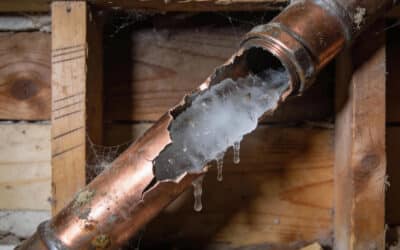
When Black Forest temperatures plummet to as low as -20°F, condensate pipes on high-efficiency boilers frequently freeze, triggering system shutdowns. The condensate pipe carries acidic water away from the boiler, and when frozen, this backup causes the boiler to shut down for safety. The telltale sign is a gurgling sound followed by shutdown, often with a specific error code referencing condensate issues.
Thawing frozen pipes costs $150-$300 in emergency service, but prevention is far cheaper. Heat trace cables ($50-$100) can prevent freezing, while proper pipe insulation and routing modifications ($200-$400) provide long-term protection. Condensate pumps ($250-$500 installed) can replace gravity drainage systems, dramatically reducing freeze risks in exposed installations.
For boilers in outbuildings or poorly insulated spaces, freeze protection systems ($350-$800) monitor temperatures and automatically activate protection measures, preventing thousands in potential damage.
What to Do Before the Technician Arrives
Taking appropriate actions while awaiting emergency service can prevent further damage and potentially reduce repair costs. The steps you take depend on the specific symptoms, but safety should always be your primary concern. Document the error codes or symptoms to help your technician diagnose the problem more quickly.
If you smell gas or suspect a carbon monoxide leak, evacuate immediately and call for emergency service from outside the home. These situations represent immediate life-threatening emergencies that require professional intervention.
Safe System Shutdown Steps
For most non-gas-related emergencies, safely powering down your boiler can prevent cascade failures. Locate the boiler’s power switch (typically a red switch on or near the unit) and turn it off. For additional safety, turn off the appropriate circuit breaker in your electrical panel. This stops the boiler from attempting to operate while damaged, preventing electrical damage to control boards and pumps.
When to Cut Gas Supply
If you detect gas odors (rotten egg smell), hear hissing near gas lines, or suspect a gas leak, turn off the gas immediately. The gas shutoff valve is typically located on the gas supply pipe leading to the boiler and should be turned perpendicular to the pipe (90-degree angle) to stop flow. After shutting off the gas, avoid creating sparks, don’t operate electrical switches, use phones, or create flames inside the house. Exit the home and call for emergency service from a safe location.
For less urgent situations, knowing the gas valve location helps technicians work more efficiently upon arrival, potentially reducing service time and costs.
Water Valve Locations and Operation
In case of water leaks, knowing how to shut off water to your boiler can prevent extensive water damage. Most boiler systems have dedicated water shutoff valves on the cold water feed pipe. These typically require a quarter-turn to close (handle perpendicular to the pipe). If you cannot locate this valve, use the main water shutoff to the house as a last resort.
For hydronic (hot water) heating systems, avoid draining the system unless specifically instructed by a technician, as this can introduce air and create additional problems. Instead, focus on containing any leaking water and documenting the source to help with diagnosis.
Essential Information to Provide on the Phone
When calling for emergency service, providing specific information helps dispatchers prioritize your call and ensures technicians arrive prepared. Mention your boiler’s make, model, and approximate age, along with specific symptoms or error codes displayed. Describe any unusual sounds, smells, or behaviors that preceded the failure, and note whether the issue developed gradually or suddenly.
Information about recent maintenance, previous repairs, or changes to the system helps establish a history. Be sure to mention if you’ve attempted any troubleshooting steps and their results. This comprehensive information helps technicians bring appropriate parts and tools, potentially enabling single-visit repairs even in emergency situations.
Repair vs. Replacement Decision Guide
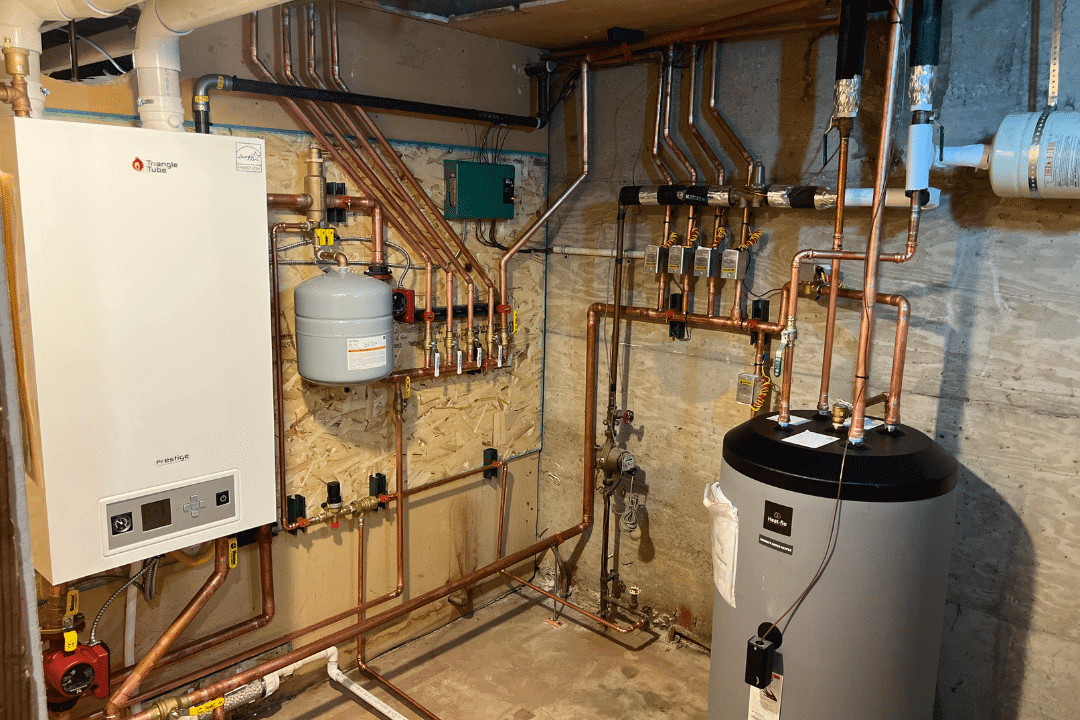
Sometimes emergency repairs raise the question of whether replacement might be more sensible than continued repairs. This decision involves comparing immediate repair costs against the long-term value and reliability of a new system. In Black Forest’s demanding climate, an aging or unreliable boiler can lead to repeated emergencies and escalating costs.
The 50% rule serves as a useful guideline: when a repair costs more than 50% of a new system’s price, replacement often makes more financial sense. Additionally, Colorado’s evolving emissions regulations are changing the replacement landscape, potentially affecting your options.
When Repairs Make Financial Sense
Repairs typically represent the best value when your boiler is under 10 years old, the issue affects a single replaceable component, and the system has been well-maintained. Modern condensing boilers have expected lifespans of 15-20 years, so major investments in younger systems usually deliver good returns. For example, replacing a $600 circulator pump in a 5-year-old high-efficiency boiler makes sense when a new system would cost $8,000-$12,000.
Consider your boiler’s reliability history when making this decision. If this is the first significant issue after years of dependable service, repair is often justified. However, if you’ve experienced multiple failures within a short timeframe, these may indicate systemic problems that will continue to plague the unit.
Age Factors in Boiler Replacement
Boilers older than 15 years approaching major repairs often make better replacement candidates, particularly if efficiency has declined or parts availability is becoming limited. Standard efficiency boilers (below 85% AFUE) installed before 2010 typically waste 20-30% more fuel than modern condensing models, creating ongoing cost penalties even when operating correctly. At Black Forest’s elevation, these efficiency differences can be even more pronounced due to thinner air affecting combustion.
In older systems, repairing one component often leads to cascade failures as adjacent parts reach end-of-life simultaneously. This “repair domino effect” can make seemingly reasonable repairs turn into money pits as additional components fail in quick succession. When multiple major components need replacement, the total can quickly approach 60-70% of new system costs.
2026 Colorado Emissions Standards and Your Options
Colorado’s House Bill 23-1161 established new emissions standards affecting replacement boilers, with full implementation by 2026. These regulations require new installations to meet strict NOx emissions limits that many traditional boilers cannot achieve. For Black Forest homeowners, this means replacement options now include compliant low-NOx gas boilers, electric boilers, or heat pump technologies, each with different cost implications.
Low-NOx gas boilers typically add 10-15% to equipment costs but qualify for rebates that offset much of this premium. Electric options eliminate emissions concerns but may increase operating costs unless paired with solar production. Heat pump systems offer excellent efficiency but require careful sizing for Black Forest’s climate extremes. These regulatory changes make professional guidance particularly valuable when facing replacement decisions.
Cost-Benefit Analysis of New Installation
When evaluating replacement, consider both immediate and long-term costs. A new high-efficiency condensing boiler typically costs $7,500-$14,000 installed in Black Forest, with complex installations reaching $20,000. However, efficiency gains of 15-30% translate to annual savings of $300-$700 for most homes, while eliminating the risk of emergency repairs for at least 5-10 years.
Available incentives significantly impact this equation. Federal tax credits (up to 30% for qualifying systems), utility rebates ($500-$2,000 from Colorado Springs Utilities and Black Hills Energy), and manufacturer promotions can reduce net replacement costs by 20-40%. Combined with peace of mind from a new warranty (typically 10 years on heat exchangers), replacement often delivers better lifetime value than major repairs to aging systems.
Repair vs. Replacement Financial Analysis (2026)
Scenario: 15-year-old standard efficiency boiler with failed heat exchanger
Repair cost: $2,100
New system cost: $9,500 (after $1,500 in rebates)
Annual savings from efficiency gains: $450
Payback period: 16.4 years
Recommendation: ReplaceScenario: 6-year-old high-efficiency boiler with pump failure
Repair cost: $750
New system cost: $10,200 (after rebates)
Annual savings from efficiency gains: $150
Payback period: 62.8 years
Recommendation: Repair
Choosing an Emergency Boiler Service in Black Forest
Not all heating companies are equipped for true emergency service, particularly in Black Forest’s unique environment. When evaluating an emergency boiler service provider, look beyond hourly rates to response capabilities, technical qualifications, and familiarity with high-altitude installations. The right provider can mean the difference between a one-visit resolution and a prolonged, expensive repair process.
24/7 Availability Requirements
True emergency service means 24/7/365 availability with live answering (not just voicemail) outside business hours. Confirm that the company maintains technicians on call specifically for emergencies rather than just offering “emergency appointments” during extended business hours. Ask about their after-hours dispatch process and typical response times to Black Forest specifically, some companies advertise emergency service but prioritize urban areas, leaving rural customers waiting longer.
Verify whether emergency calls are handled by fully-qualified technicians rather than apprentices or junior staff. Emergency situations often present complex diagnostic challenges requiring experienced professionals, particularly with high-efficiency systems at elevation. The best providers maintain their senior technicians in the emergency rotation to ensure proper problem resolution.
Proper Licensing and Insurance Verification
Colorado requires specific licensing for boiler technicians, with special certifications for high-pressure and commercial systems. Verify that your emergency service provider employs properly licensed plumbers and HVAC technicians with specific boiler training and certifications. Ask about their liability insurance coverage (should be at least $1M) and whether they’re bonded—particularly important for emergency work when decisions must be made quickly under pressure.
Response Time Expectations
In Black Forest, realistic emergency response times typically range from 1-3 hours depending on weather conditions, time of day, and your specific location. Companies based in Monument or northern Colorado Springs often provide faster service than those dispatching from across the city. Ask prospective companies about their average response times specifically to Black Forest addresses during evening hours and weekends.
The definition of “emergency” varies between companies. True emergency services prioritize calls based on severity (no heat during extreme cold, water leaks, and gas issues receiving highest priority), while others simply charge emergency rates for any after-hours service. Clarify how the company triages calls during high-demand periods like cold snaps when multiple customers need urgent help simultaneously.
Why Choose Talmich Plumbing & Heating
Talmich Plumbing & Heating specializes in emergency boiler services throughout the Black Forest area, with technicians specifically trained in high-altitude applications. Their average response time to Black Forest emergencies is under 90 minutes even during winter storm conditions, with fully-stocked service vehicles carrying common emergency parts for one-visit resolutions. Their 24/7 emergency line connects directly to on-call technicians rather than a call center, ensuring technical questions can be answered immediately.
Emergency Response Comparison: Black Forest Area (2026)
Service Feature | Talmich Plumbing | Average Competitor
Average response time | 75-90 minutes | 120-180 minutes
24/7 live technician consultation | Yes | Limited/Call center
High-altitude certification | All technicians | Select technicians
Common emergency parts stocked | 95% first-visit resolution | 65-70% first-visit resolution
Dedicated Black Forest service area | Primary service zone | Secondary service zone
Their technicians undergo specialized training in condensing boiler technologies and high-altitude combustion adjustments, addressing the unique challenges of heating systems at over 7,000 feet elevation. This expertise allows them to diagnose altitude-related issues that generalist HVAC companies often miss, preventing repeated service calls for the same problem.
Beyond emergency response, Talmich offers post-emergency preventive services that identify and address underlying causes that might trigger future failures. Their comprehensive 25-point inspection following emergency repairs has helped countless Black Forest homeowners prevent subsequent emergencies through targeted preventive maintenance.
Their transparent emergency pricing structure eliminates surprises, with upfront estimates provided before work begins, even during middle-of-night emergencies. This approach has earned them a 4.8/5 customer satisfaction rating specifically for emergency boiler services in the Black Forest area.
Preventing Future Boiler Emergencies
The best emergency is the one that never happens. Preventive maintenance costs a fraction of emergency repairs and eliminates the stress and discomfort of heating failures during extreme weather. In Black Forest’s demanding climate, proper maintenance is particularly crucial due to the additional stresses placed on heating systems by elevation and temperature extremes.
A comprehensive prevention strategy includes regular professional maintenance, homeowner checks, and strategic upgrades that address common failure points before they become emergencies. This approach typically reduces emergency calls by over 85% while extending system lifespan by 5-7 years.
Annual Maintenance Checklist
Professional boiler maintenance should occur annually, ideally before the heating season begins (September-October in Black Forest). Comprehensive maintenance includes combustion analysis and adjustment, which is particularly important at high elevations where air-fuel mixtures require precise calibration. Other critical elements include heat exchanger inspection, condensate system cleaning, pump and bearing lubrication, expansion tank pressure verification, and control system testing.
High-Altitude Maintenance Considerations
Black Forest’s elevation requires specific maintenance adjustments not needed in lower-altitude installations. Gas pressure and combustion air settings need altitude-specific calibration, typically requiring 4-6% less gas pressure than sea-level specifications. Expansion tanks may need different pressure settings to compensate for the lower atmospheric pressure, typically 2-3 PSI higher than standard settings to maintain proper system pressure.
Smart Thermostat Benefits for System Monitoring
Modern Wi-Fi enabled thermostats provide early warning of potential boiler problems by monitoring performance patterns and alerting you to inefficiencies. These systems can detect when heating cycles take longer than normal (indicating reduced efficiency) or when temperature differentials between zones suggest circulation problems. Many models now include freeze protection warnings that alert you when temperatures approach freezing levels, preventing pipe damage during vacancies or power outages.
Advanced models compatible with boiler systems cost $150-$350 plus installation, but can reduce emergency situations by 40-60% through early problem detection. They also enable remote monitoring of your heating system during absences, allowing you to detect problems before they become emergencies.
Integration with home automation systems allows advanced protection scenarios, such as automatic water shutoff if leaks are detected or temperature regulation during extended vacancies. These capabilities provide particular value for Black Forest’s many part-time residents and vacation properties.
Proper Winterization Techniques
For Black Forest properties with seasonal occupancy, proper winterization prevents costly freeze damage. Professional winterization ($200-$400) includes complete system drainage with air purging, antifreeze addition to hydronic systems, electrical disconnection, and sometimes controlled ventilation to prevent condensation damage.
Even for year-round residences, additional winter preparations help prevent emergencies. Insulating exposed condensate lines, heat-tracing vulnerable pipes, and sealing exterior penetrations against drafts all reduce freeze risks. For off-grid or remote properties, backup power solutions specifically sized for boiler operation ($800-$3,000) provide crucial protection during the power outages common to Black Forest during winter storms.
Checking carbon monoxide and smoke detectors becomes even more critical during heating season, as these safety devices provide early warning of dangerous malfunctions. Annual replacement of batteries and testing of all safety devices should coincide with fall heating system maintenance.
Emergency Prevention Cost-Benefit Analysis
Preventive Measure | Typical Cost | Potential Emergency Savings | ROI
Annual professional maintenance | $150-$350 | $500-$1,200 | 240-350%
Pipe insulation & heat trace | $100-$300 | $2,000-$10,000 | 900-3,300%
Smart thermostat installation | $250-$500 | $600-$1,500 | 140-300%
Water alarm system | $150-$300 | $2,500-$15,000 | 1,600-5,000%
System pressure monitor | $200-$400 | $400-$900 | 100-225%
Ready for Fast, Reliable Emergency Boiler Repair?
Don’t wait for Black Forest’s next cold snap, whether you’re in Black Forest or the surrounding Colorado Springs area, Talmich Plumbing & Heating offers 24/7 emergency boiler repair with under-90-minute average response, high-altitude expertise, and transparent 2026 pricing.
Emergency? We’re here 24/7. No heat, leaks, or strange noises—get help fast today!
Frequently Asked Questions (FAQs)
Emergency boiler situations generate many questions, particularly regarding immediate actions, costs, and expectations. These answers address the most common concerns for Black Forest homeowners facing heating emergencies during extreme weather conditions.
Emergency Boiler Service: What to Expect
Initial Assessment: Diagnostic evaluation to identify root causes, not just symptoms
Transparent Quoting: Written estimates before work begins, even during emergencies
Safety Checks: Carbon monoxide testing and combustion analysis with every emergency repair
Follow-up: Post-repair verification of proper system operation under load
Documentation: Detailed service records for warranty and insurance purposes
Additional questions often arise during the emergency repair process, particularly regarding system replacement options, efficiency improvements, and preventive measures to avoid future emergencies.
While addressing the immediate emergency remains the primary focus, reputable companies like Talmich Plumbing & Heating also provide education about preventing future failures, particularly those unique to Black Forest’s elevation and climate challenges.
How quickly can I get emergency boiler service in Black Forest?
Talmich Plumbing & Heating typically arrives in under 90 minutes for Black Forest emergencies, with average response times of 1-3 hours depending on weather and call volume. Extreme cold snaps may extend waits slightly, but local high-altitude experts prioritize severe cases like no heat or leaks for fastest safety response.
Will my home insurance cover emergency boiler repairs?
Standard homeowners insurance usually does not cover mechanical boiler failures or wear-and-tear repairs, but may cover sudden water damage from leaks if caused by a covered peril. Check for equipment breakdown endorsements or home warranty plans, which often include HVAC repairs (with deductibles). Talmich can help review options during service.
What causes boilers to fail more frequently during winter in Black Forest?
Winter failures spike in Black Forest due to extreme cold, high demand stressing components, frozen condensate pipes in high-efficiency models below 20°F, and altitude-related combustion issues at 7,000 feet. Temperature swings and power fluctuations during storms further accelerate wear on pumps, ignition systems, and electronics.
How long do emergency boiler repairs typically take to complete?
Most emergency boiler repairs take 1-3 hours on-site after arrival, with simple fixes (e.g., ignition or pressure issues) often resolved in 30-90 minutes. Complex jobs like pump or heat exchanger work may need 2-8 hours or a follow-up visit if parts are required; well-stocked techs complete ~80% in one trip.
Are there financing options available for emergency boiler repairs?
Yes, financing is available for emergency boiler repairs through third-party lenders (6-60 months terms), same-as-cash no-interest plans for under $1,000, or in-house payment plans from Talmich for established customers (3-6 months). Energy-efficient upgrades may qualify for utility rebates/financing via Colorado Springs Utilities or Black Hills Energy.



0 Comments